TypeScript:从基础类型到泛型
Typescript 基础
js是个弱类型语言,动态语言即,变量的类型是不确定的。弱类型灵活,但是强类型更有利,可以降低系统的复杂度,在编译时检查类型错误。
ts属于 JavaScript 的超集,可以编译为 JavaScript 执行。 它的最大特点就是支持强类型和ES6 class
文档:https://www.tslang.cn/docs/handbook/basic-types.html
起步
npm install -g typescript
tsc -w watch文件
tsc xx.ts 编译ts文件
tsc –init 初始化配置 tsconfig.json
基础类型
1
2
3
4
5
6
7
8
9
10
11
12
13
14
15
16
17
18
19
20
21
22
23
24
25
26
27
28
29
30
31
32
33
34
35
36
37
38
39
40
41
42
43
44
45
46
47
48
49
50
51
52
53
54
55
56
57
58
59
|
let a: boolean = false
let num1:number =1
let num2:number = 0x12
let name1: string = "zhangsan"
let list:any[]=[1,2,3]
let list2:Array<number>=[4,5,6]
list2.push(34)
let xtuple: [string, number];
xtuple=["dw",33]
enum Color{
Red,
Green,
Blue
}
let colorValue: Color = Color.Green;
let colorName:String = Color[2]
let typeAny:any = 1;
let typeObject:object = {};
let voidVal: void ;
voidVal=null
function fun():void {
}
let fun1=():void=> void
function error(message: string): never {
throw new Error(message);
}
let error1=():never=>{
throw new Error('ddd');
}
let someValue: any = "this is a string";
let strLength1: number = (<string>someValue).length;
let strLength2: number = (someValue as string).length;
|
元组的实际形式
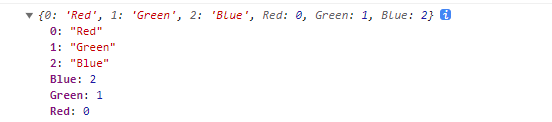
默认情况下null和undefined是所有类型的子类型。 就是说你可以把 null和undefined赋值给number类型的变量。
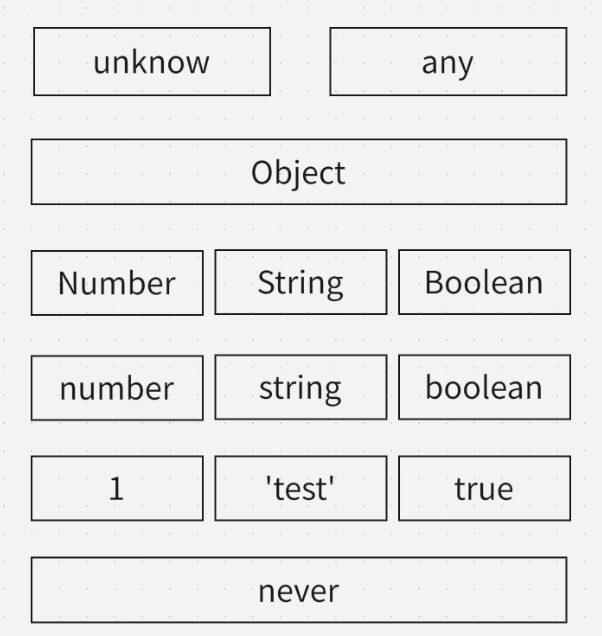
函数、接口、对象
1
2
3
4
5
6
7
8
9
10
11
12
13
14
15
16
17
18
19
20
21
22
23
24
25
26
27
28
29
30
31
32
33
34
35
36
37
38
39
40
| interface SquareConfig {
color?: string;
width?: number;
}
function createSquare(config:SquareConfig):{color:string;area:number} {
let newSquare = {
color:"white",
area:100
}
if(config.color) {
newSquare.color=config.color
}
if(config.width) {
newSquare.area = config.width*config.width
}
return newSquare
}
let mySquare = createSquare({color: "black"});
console.log(mySquare)
interface Point {
readonly x:number;
y:number
}
let a:Point = {
x:122,
y:33
}
a.x=2
(a as {}).x=3
|
接口 : 接口能够描述JavaScript中对象拥有的各种各样的外形。 除了描述带有属性的普通对象外,接口也可以描述函数类型。
可索引的类型:
可以同时使用两种类型的索引,但是数字索引的返回值必须是字符串索引返回值类型的子类型。 这是因为当使用 number 来索引时,JavaScript 会将它转换成 string 然后再去索引对象。
1
2
3
4
5
6
7
8
9
10
11
12
13
14
15
16
| interface Animal {
name: string;
}
interface Dog extends Animal {
breed: string;
}
interface NotOkay {
[x: string]: Dog;
[x: number]: Animal;
}
interface Okay {
[x: string]: Animal;
[x: number]: Dog;
}
|
类实现接口
1
2
3
4
5
6
7
8
9
10
11
12
| interface ClockInterface {
currentTime: Date;
setTime(d: Date);
}
class Clock implements ClockInterface {
currentTime: Date;
setTime(d: Date) {
this.currentTime = d;
}
constructor(h: number, m: number) { }
}
|
接口继承接口
1
2
3
4
5
6
7
8
9
| interface Shape {
color: string;
}
interface Square extends Shape {
sideLength: number;
}
let square = <Square>{};
|
混合类型:一个对象可以同时做为函数和对象使用,并带有额外的属性。
类
由于类名作为类型使用,实际上代表一个对象,因此可以把类看作为对象类型起名。事实上,TypeScript 有三种方法可以为对象类型起名:type、interface 和 class。
class表示的实例类型 ,如果要获取自身类型,typeof 语法,或者类本身是一种构造函数,所以可以用构造函数写法
1
2
3
4
5
6
7
| function createPoint(
PointClass: new (x:number, y:number) => Point,
x: number,
y: number
):Point {
return new PointClass(x, y);
}
|
泛型
有些时候,函数返回值的类型与参数类型是相关的。 泛型的特点就是带有“类型参数”(type parameter)
函数调用的时候一般要具体指定类型,也可以让ts推断。复杂场景还是需要指定
1
2
3
| function comb<T>(arr1:T[], arr2:T[]):T[] {
return arr1.concat(arr2);
}
|
函数泛型(function关键字定义的泛型函数,类型参数放在尖括号中,写在函数名后面。)
1
2
3
| function id<T>(arg:T):T {
return arg;
}
|
变量定义的函数
1
| let myId:<T>(arg:T) => T = id;
|
接口的泛型写法
1
2
3
4
5
| interface Box<Type> {
contents: Type;
}
let box:Box<string>;
|
1
2
3
4
5
6
7
8
9
10
| interface Comparator<T> {
compareTo(value:T): number;
}
class Rectangle implements Comparator<Rectangle> {
compareTo(value:Rectangle): number {
}
}
|
1
2
3
4
5
6
7
8
9
10
|
nterface Fn {
<Type>(arg:Type): Type;
}
function id<Type>(arg:Type): Type {
return arg;
}
let myId:Fn = id;
|